Shrines and sacred sites in Malawi have been in existence since 1500 A.D. They were used by our ancestors to offer sacrifices to their Mphambe (God) in times of drought or other calamities. These sites are spatially located in different areas throughout Malawi. There are seven documented shrines situated within the Mpoto Geopark, the most important one being Mbande Hill
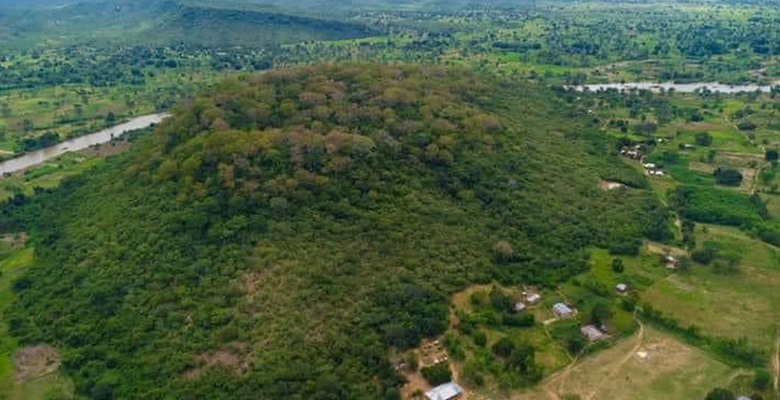
Mbande Hill, a protected area ca 12 km West of Karonga, is the capital of the Ngonde Kingdom, and contains archaeological remains of the Iron age.
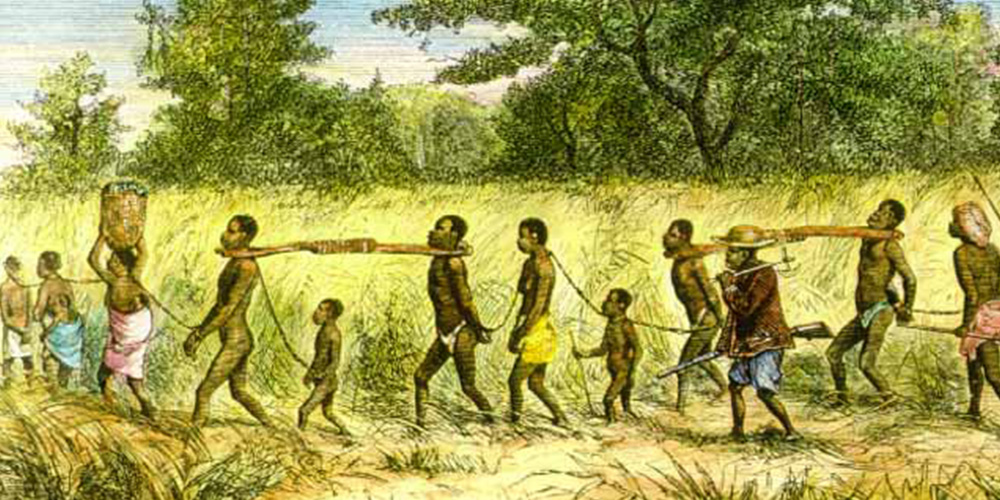
Karonga played a pivotal role in the East African slave trade during the 18th and 19th centuries. Strategic locations such as Chilumba and Ngara were used as transit points where captives were collected and transported across Lake Malawi toward coastal markets in Zanzibar. Oral histories and colonial records recount the involvement of local leaders and Swahili-Arab traders in these exchanges, leaving behind scars that are still remembered in community memory.
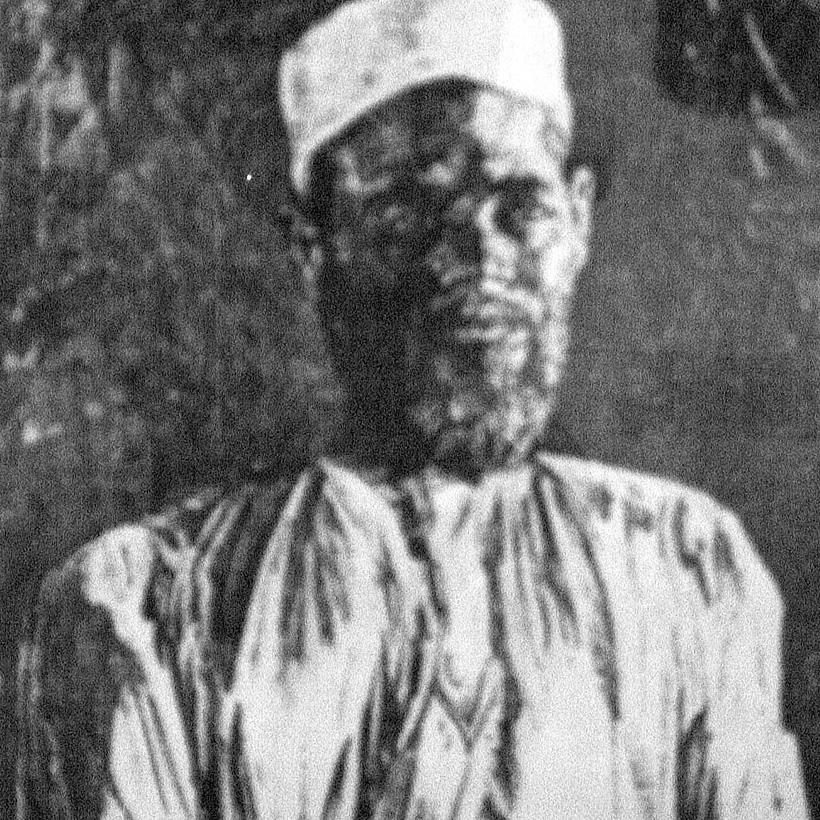
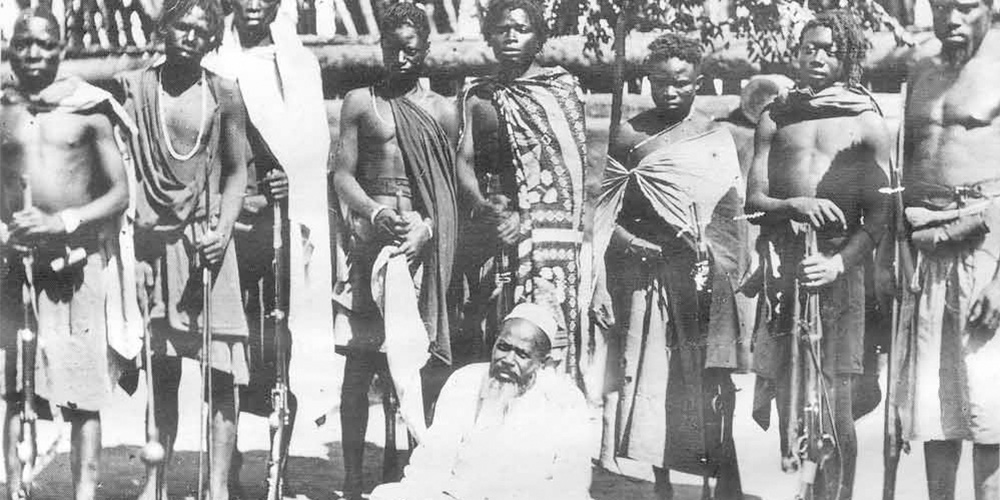
The Arab Slave Trader Mlozi utilized local Ruga-Ruga people for capturing slaves. The main slave routes were from Lake Nyasa to Zanzibar.
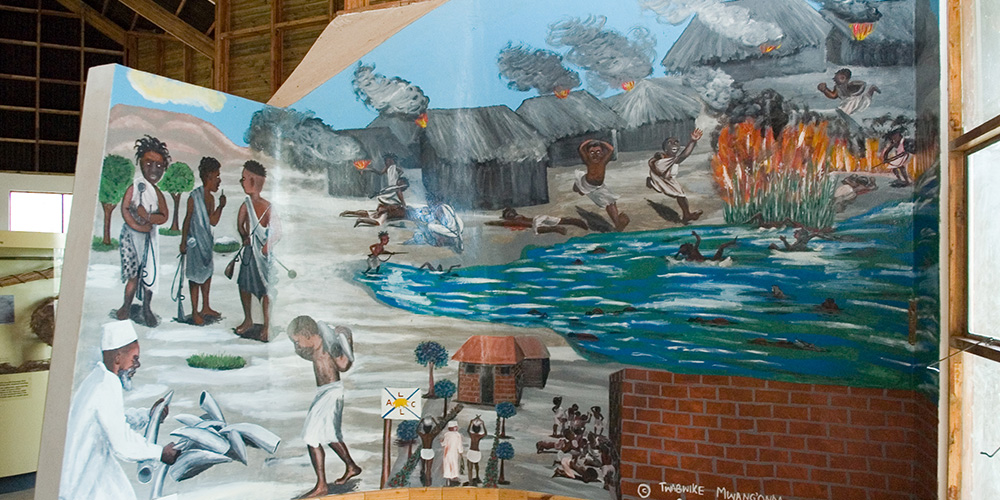
Kambwe Lagoon, ca. 5 km North of Karonga was the site of a massacre, where the Arab Slave Trader Mlozi and his Riga Ruga troops burnt down villages and forced inhabitants to jump into the lagoon full of crocodiles
The arrival of early missionaries, including those from the Livingstonia Mission introduced new religious practices, education systems, and health services, often clashing with traditional beliefs. Their legacy is visible in old mission structures and Christian communities established along the lakeshore. The Geopark will preserve and interpret this layered past, acknowledging both the pain and transformation that shaped Karonga’s historical and cultural identity.
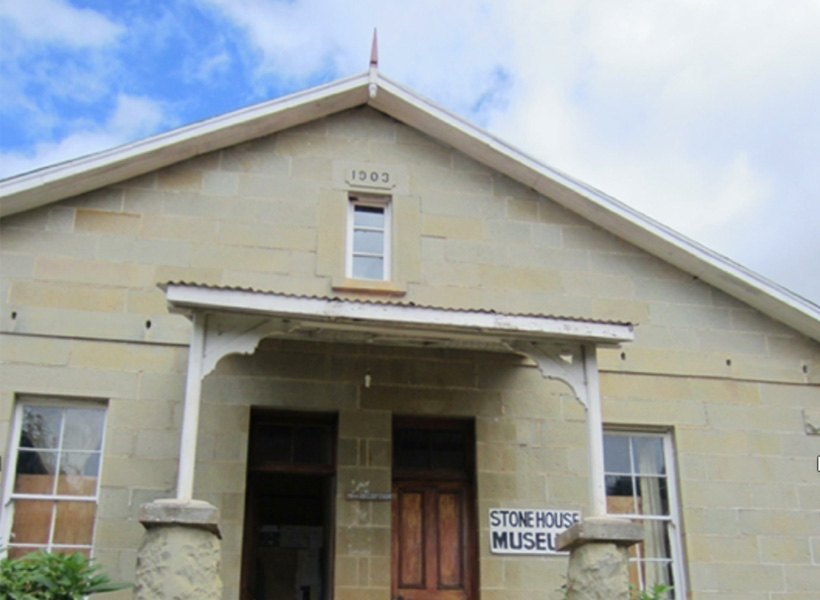
Livingstonia Mission is one of the major historical sites related to the early phase of missionary expansions in Africa. Its story is being told by the Stone House museum.
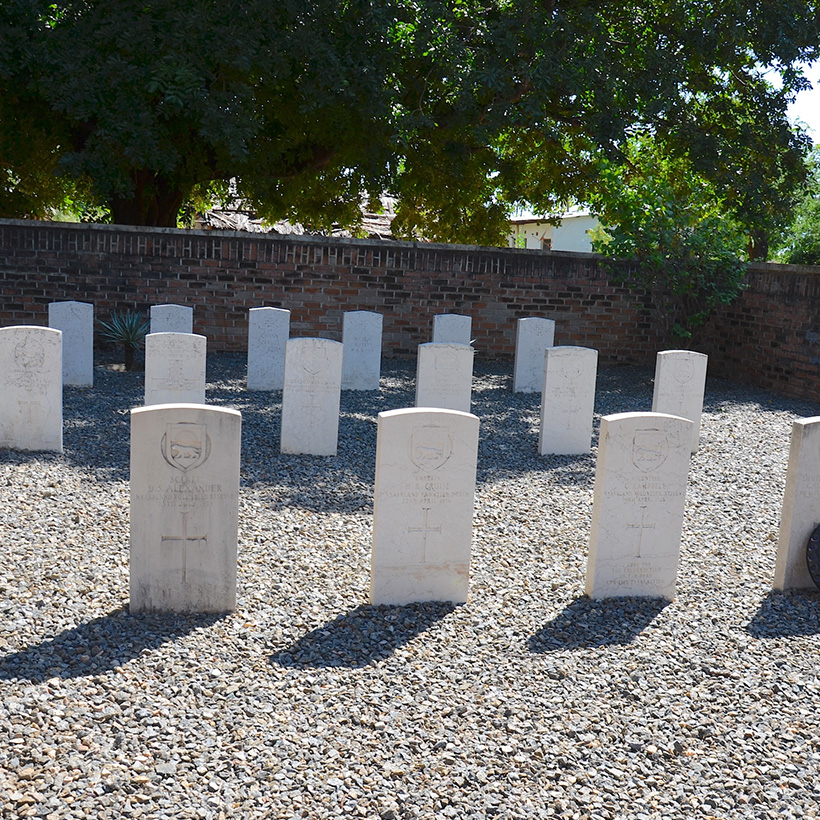
The Mpoto Geopark is the only place in Malawi that experienced the hostilities of the First World War with a battle between Britain and Germany. The people of Karonga were both soldiers and spies for the British. They were being paid for it. This was done in remembrance of the help rendered by the British during the troubled times of the slave trader Mlozi (see above). Karonga war grave cemetery contains bodies of both the German and British soldiers.
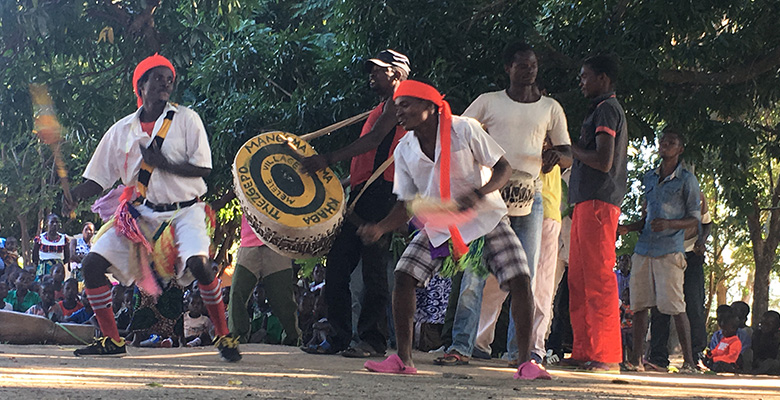
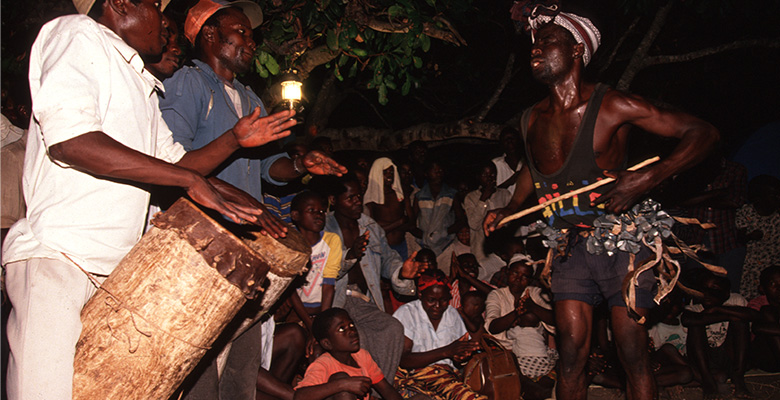
This is commonly performed by young Ngonde men and it is a warrior-style dance marked by precise footwork and drumming, often used during initiation ceremonies or harvest festivals.
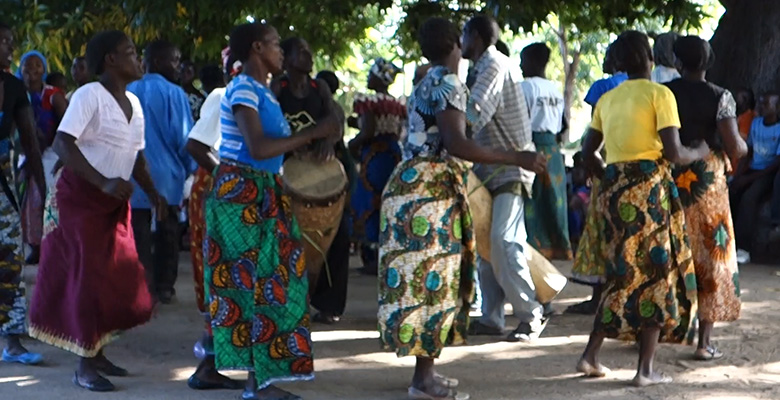
This is a graceful women’s dance which celebrates beauty, unity, and femininity, and is frequently performed at weddings, funerals, and community gatherings. These dances are accompanied by unique drum rhythms, songs in Chingonde, and traditional costumes that symbolise social values, history, and spiritual beliefs.
This is a spiritual healing dance, it also serves both as therapy for psychosocial illness and as a powerful form of cultural expression.
This is commonly performed by young Ngonde men and it is a warrior-style dance marked by precise footwork and drumming, often used during initiation ceremonies or harvest festivals.
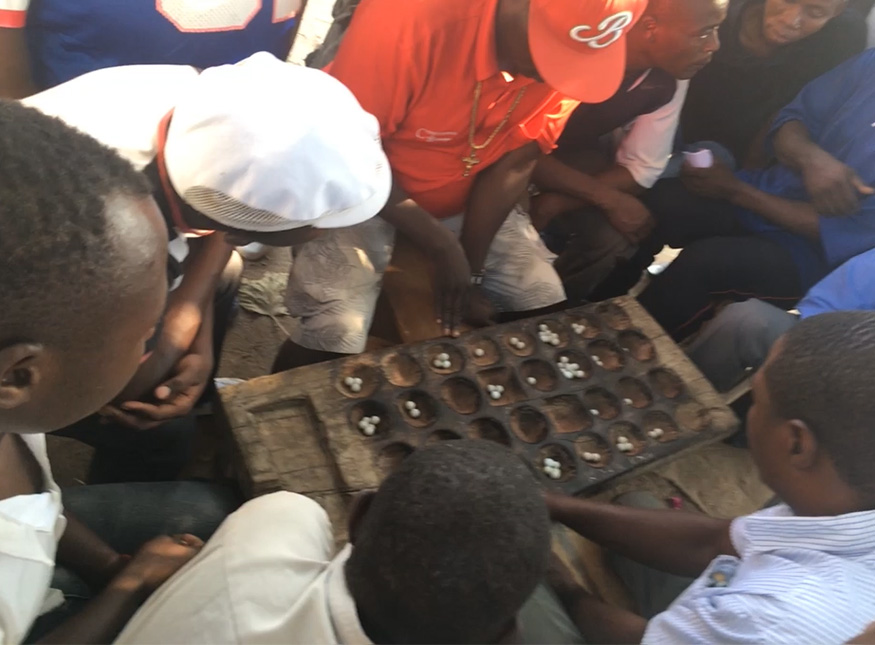
Bao is a popular board game, played everywhere in the Geopark area by woman and men. Competitions are. Bawo, a strategic board game, is widely played across villages, serving not only as entertainment but also as a tool for sharpening strategic thinking and social bonding. Bao is a traditional mancala board played in most areas of Eastern and South Eastern Africa, yet the rules were only preserved through oral tradition, therefore numerous variants exist. Despite the game being most popular, neither regional nor national competitions exist. Locally competitions are being organised by Radio Dinosaur. In cooperation with Mpoto Geopark, regional Bao competitions will be organised.
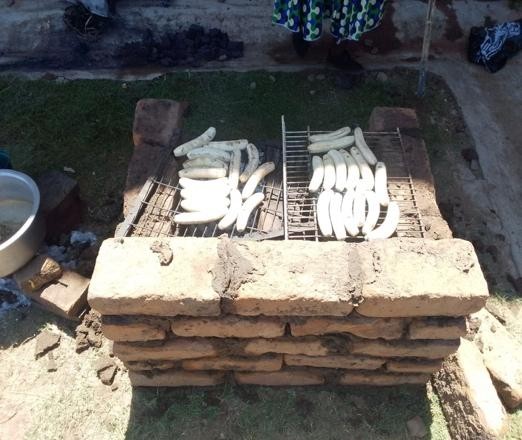
Matoki and Iswi: A Traditional Ngonde Culinary Delight: Matoki (green bananas) and Iswi (sun-dried or grilled fish) form one of the most iconic and beloved traditional meals among the Ngonde people of Karonga in the Mpoto Geopark. This simple yet deeply cultural dish is not just food—it is a symbol of identity, community, and heritage. Matoki, carefully peeled and roasted over a traditional open fire on handmade brick stoves, is soft, rich in flavor, and serves as a perfect starch base.
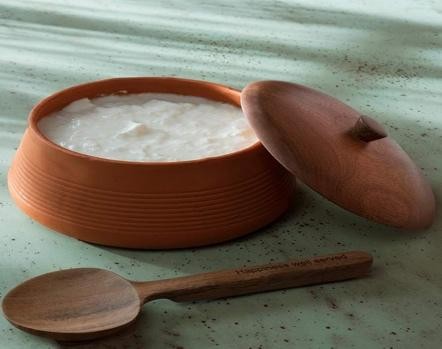
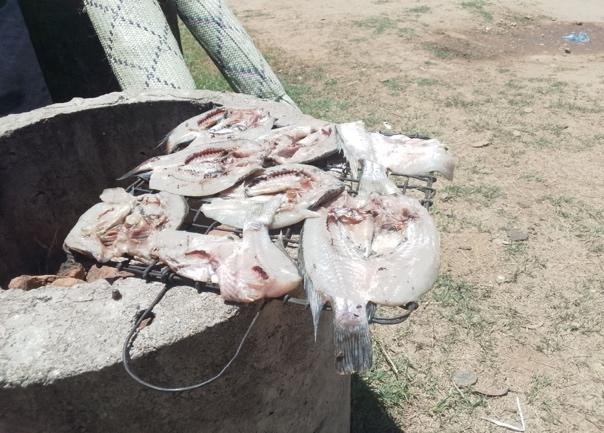
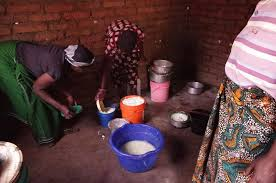
It is often paired with Iswi, locally caught fish that is cleaned, split, and dried or grilled to bring out its natural savory taste. The fish may come from Lake Malawi or local lagoons, such as the Mlare Lagoon. This meal is often shared during communal gatherings, cultural ceremonies, and family events. It reflects the Ngonde people's close relationship with the land and lake, showcasing their resourcefulness and respect for traditional cooking methods. Chambiko is a traditional Malawian fermented milk product, especially popular in northern regions such as Karonga. Made from naturally cultured milk, it’s rich in probiotics and beloved for its tangy flavor and cultural significance
The Mpoto Geopark area contains large areas that are famous for the existence of a high variety of medicinal plants, which are utilized by traditional Healers. A survey among 30 traditional healers and birth attendants was undertaken regarding their use of woody medicinal plants. It revealed that 71 of the 102 woody species that are found in this area are used for a variety of treatments. These medicinal plants are most commonly applied in obstetrics.
The word Mpoto means NORTH in Tumbuka Language. Mpoto refers to the fact, that the Geopark comprises Northern Malawi and the Northern Malawi Rift.