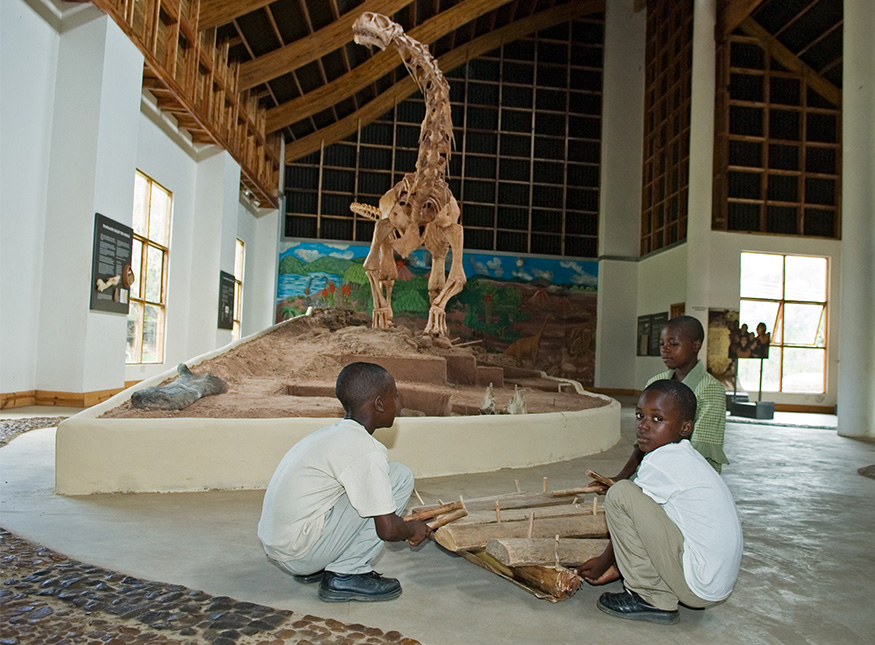
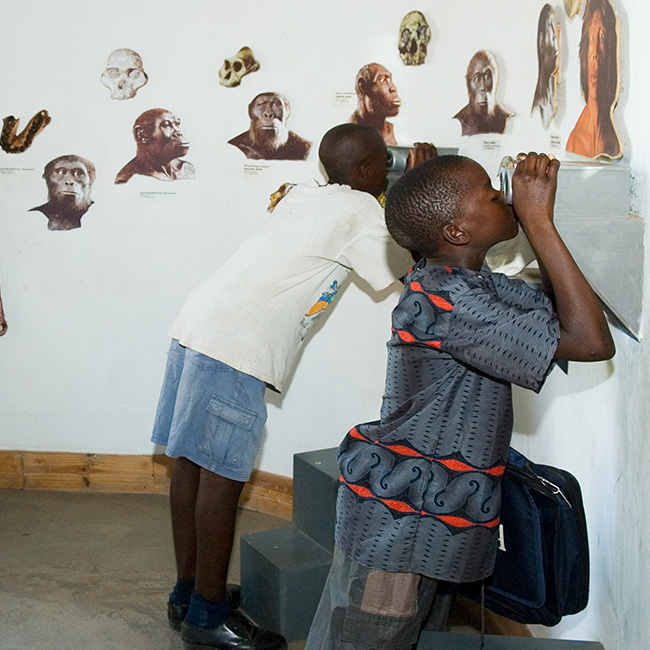
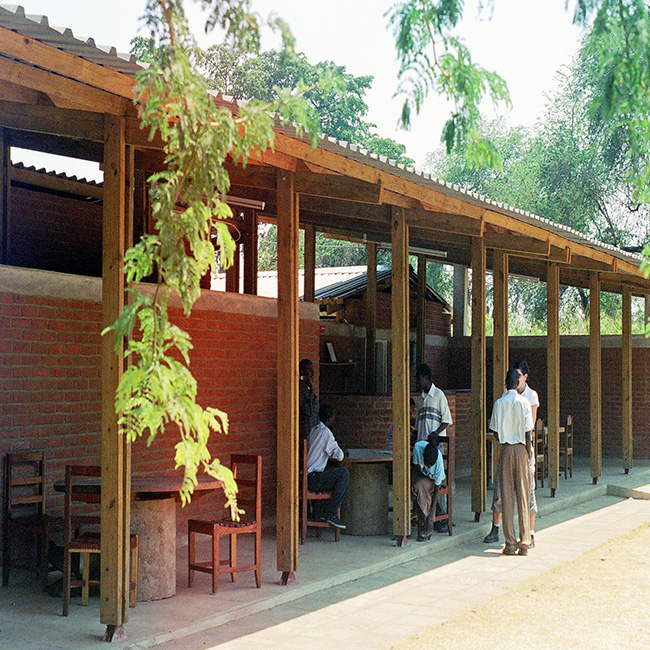
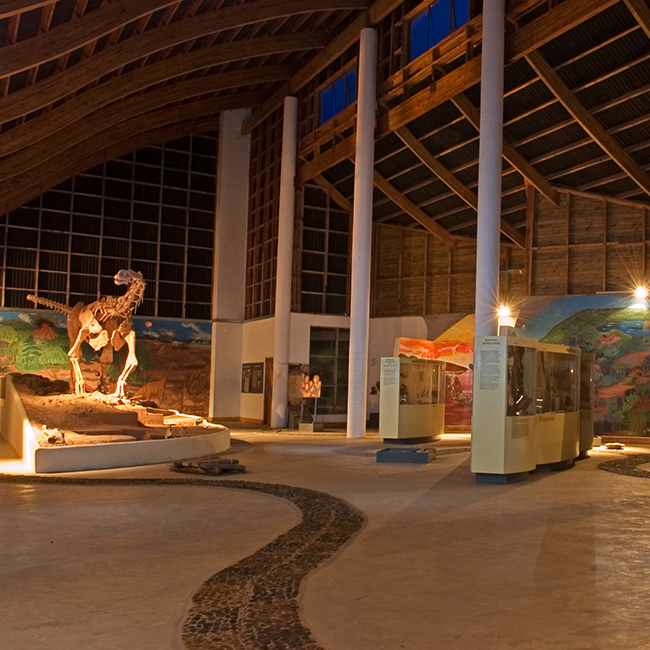
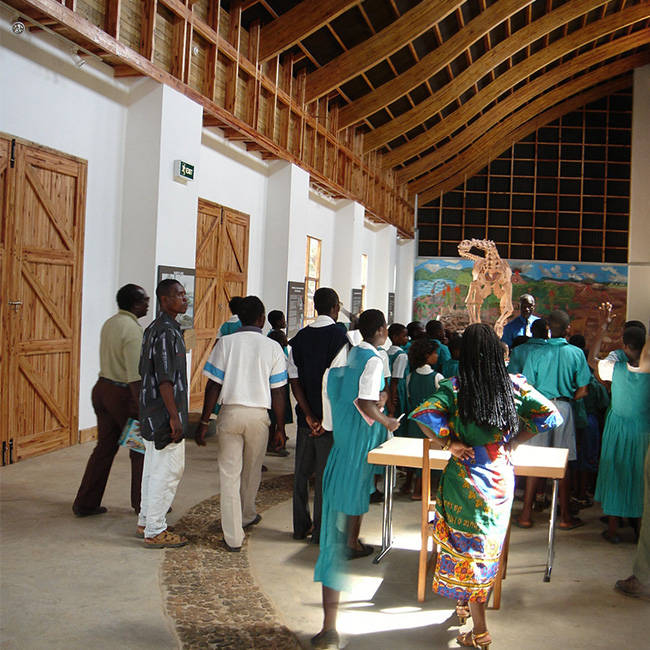
The CMCK provides field infrastructure for palaeobiological and limnological work. The Mpoto Geopark offers important palaeontological sites (Permian-Triassic, Upper Cretaceous, Plio-Pleistocene), as well as research opportunities for freshwater ecology (Lake Malawi), including projects on environmental DNA. In addition to its ichthyofauna, Lake Malawi is considered an evolutionary-biological model system. Active Research is being conducted by Geologists, Palaeontologists and Biologists of University of Malawi, Zomba and Lilongwe University of Natural Resources in cooperation with Senckenberg Research Institute Frankfurt, Giessen University and New York University.In cooperation with CMCK and financed by Volkswagen Foundation, the Mpoto Geopark is organising yearly field schools on topics of Geology, Biology and Pre-history for doctoral students from 10 African countries: Malawi, Tanzania, Mozambique, Zambia, Kenya, Ruanda, Uganda, Ethiopia, DRC and Sierra Leone.