Rocks & Nature

The Northern Malawi Rift

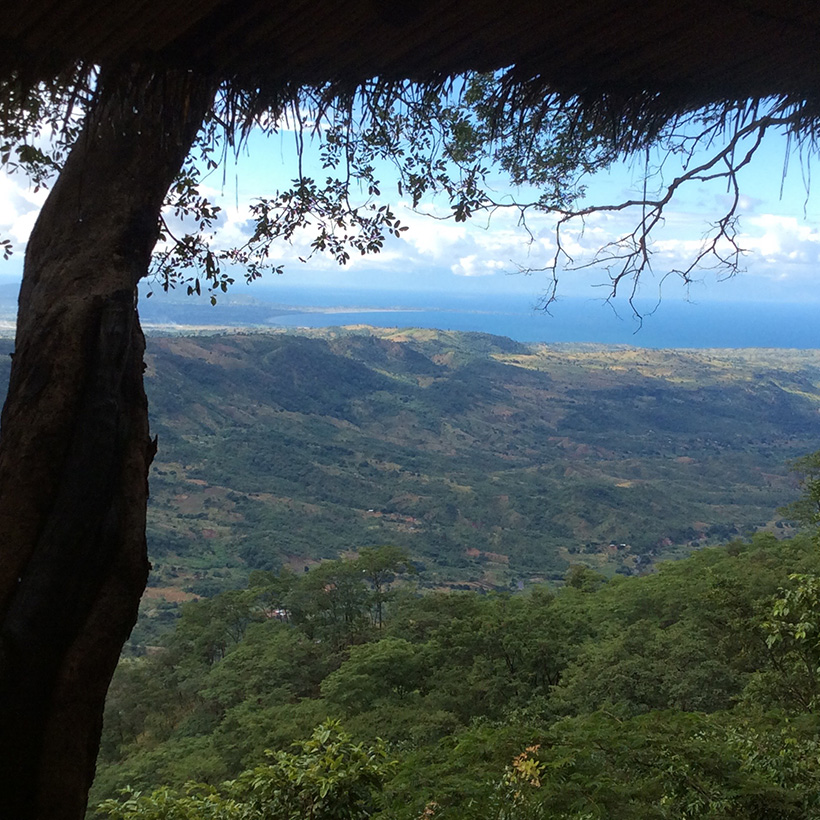
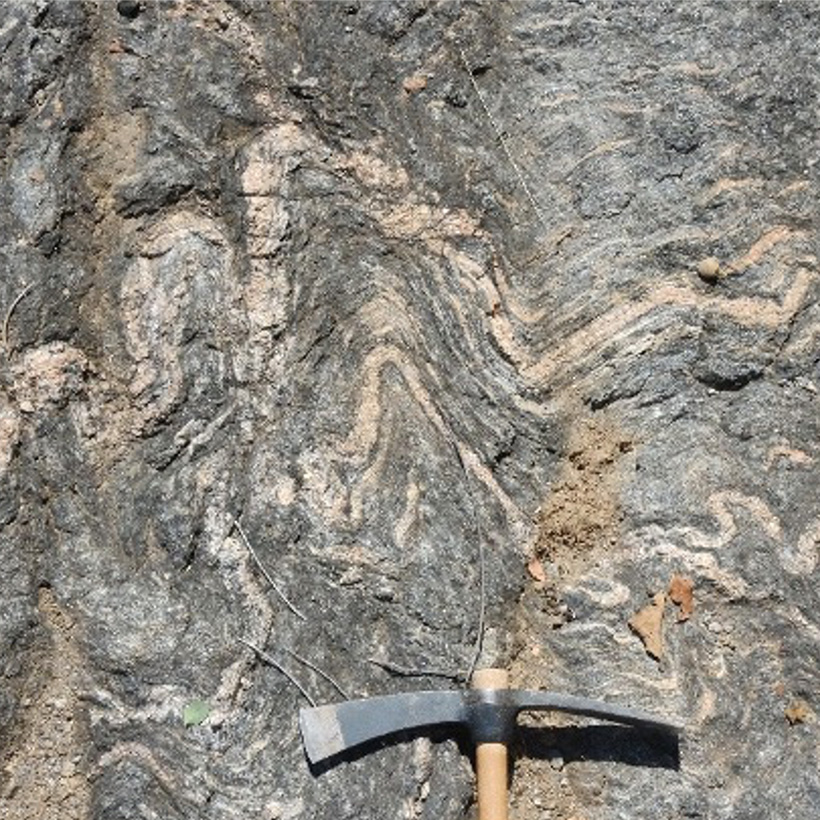
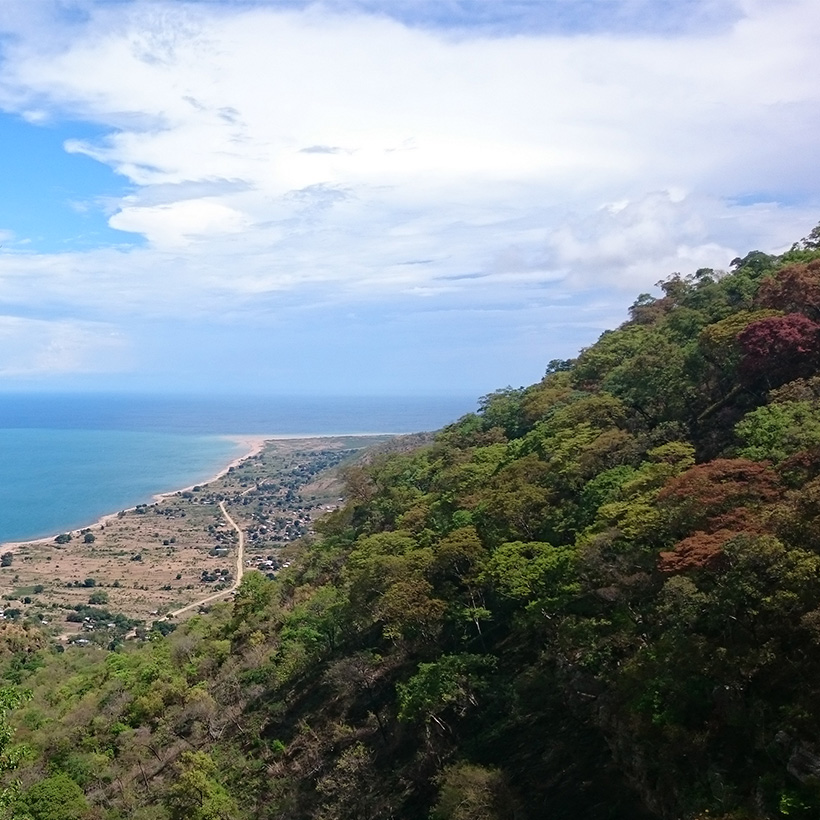
The Northern Malawi Rift preserves a geological and palaeontological history of roughly 2100 Million years. The Northern Malawi Rift is paert oft he Western Arm oft he East African Rift System (EARS). It contains famous fossil sites of earliest mammals, dinosaurs and early humans. The Geology of the Mpoto Geopark is the result of basin developments at three different times in Africa, which overlap in the Geopark area. Each of these geological eras represent crucial events in the evolution of organisms on Earth. No other area in Africa exhibits these three geological eras and fossil finds adjacent to each other.

Mpoto Geopark

Fossil Remains

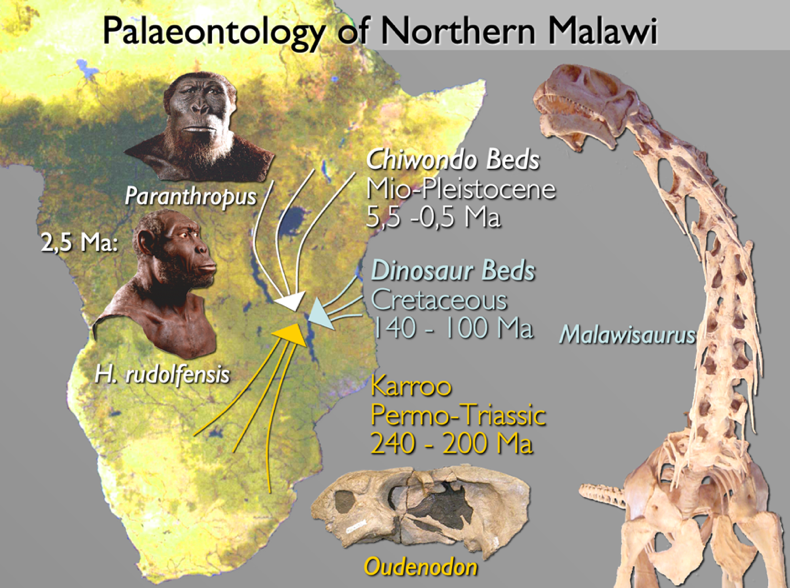
Fossil remains that have been discovered in the Mpoto Geopark include: mammal like reptiles (Therapsids) which bear evidence on the origin of mammals (Karoo), Malawisaurus Dinosaurs and other fauna representing the age of Reptiles (Dinosaur Beds) and Fauna and Hominids with Homo rudolfensis, the earliest Ancestor of the genus Homo (Chiwondo Beds). Three basin structures overlap in the Geopark:

Gallery

Take a look at some of our Mpoto Geopark Sites

Chiwondo Beds

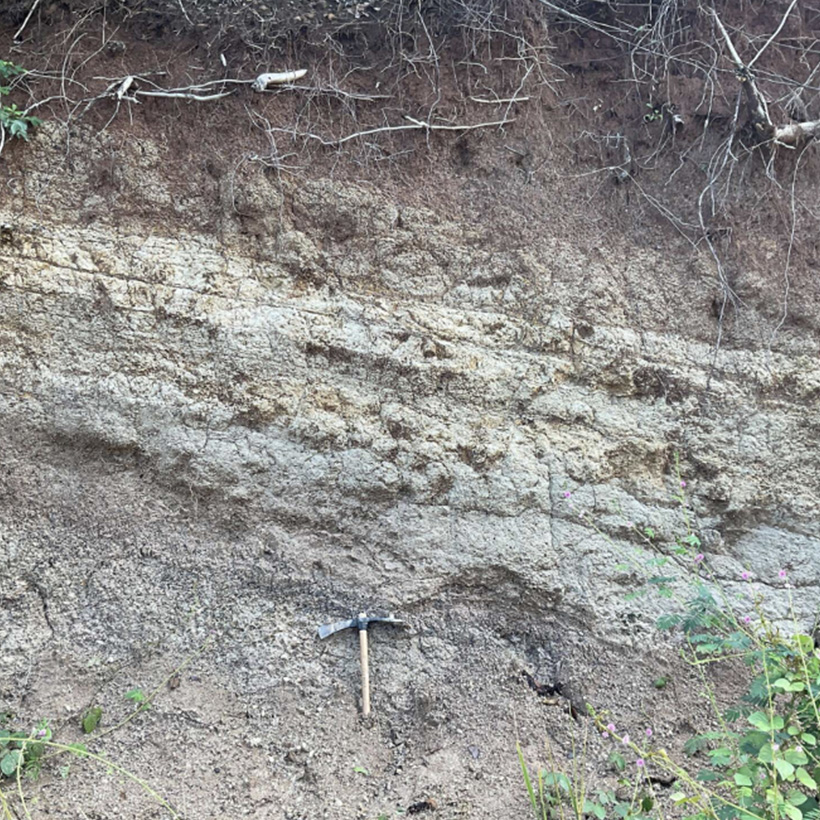
Chiwondo Beds (Plio-Pleistocene). The age of the Chiwondo Beds ranges from 5,5 to 0,5 million years. The sediments contain numerous remains of vertebrate fossils, including early hominins. The Mpoto Geopark is home to some of the most significant palaeontological discoveries in South Eastern Africa. Sites such as Uraha and Malema have provided vital evidence of human evolution and early human settlement in the Rift Valley corridor.

Sediments of the Chiwondo Beds near Uraha
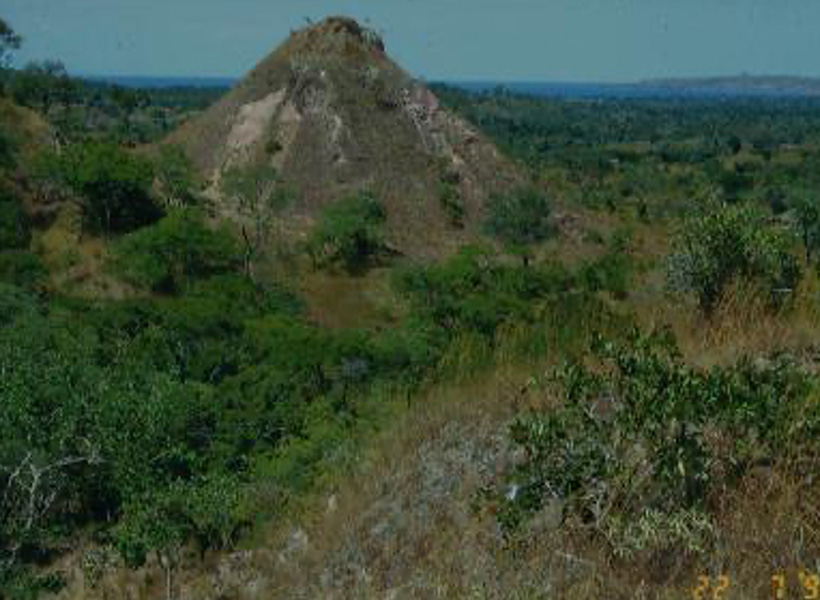
Sediments of the Chiwondo Beds near Uraha

The Genus Homo
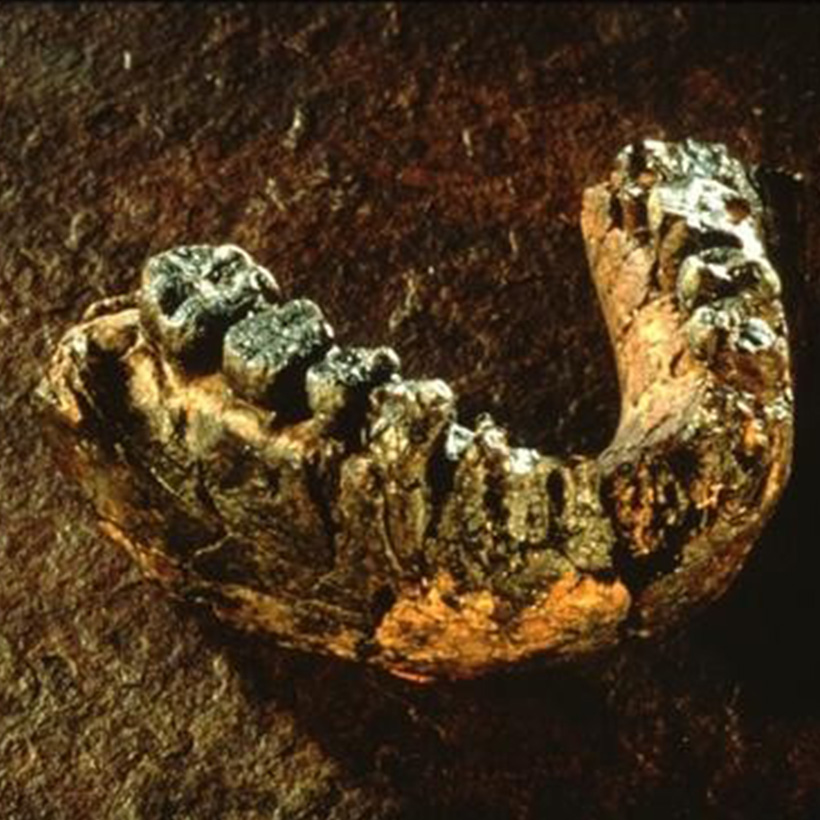
The Genus Homo

The Genus Homo

One of the oldest remains of the genus Homo with a geological age of 2,5 Ma was discovered at Uraha in 1991. The site also yielded numerous fossils of large mammals, that allowed detailed environmental reconstructions. The site is located ca. 15 km NW of Chilumba

The Hominin site of Malema is located ca. 12 km South of Karonga. A second species of early hominin was discovered here: Paranthropus robustus. The site is frequently visited by tourists and school classes.

Ngara Hotspring is situated adjacent to Lake Malawi.
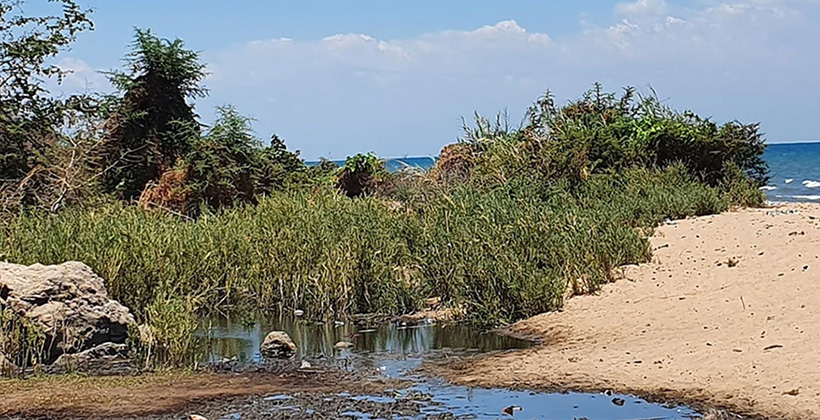
Ngara Hotspring is situated adjacent to Lake Malawi.

Hot springs

Ngara Hotspring

The Mpoto Geopark is well known for its hot water springs. They are distributed along the fault lines of the East African Rift System. The water temperatures are higher than 60 C°. Five hotsprings are reported in the Mpoto Geopark area. These include Chinuka, two at Mwankenja, Vungu, Mpata, Chiwondo, Ngala and Chiweta.

Lake Malawi

Chilumba Key Biodiversity Area

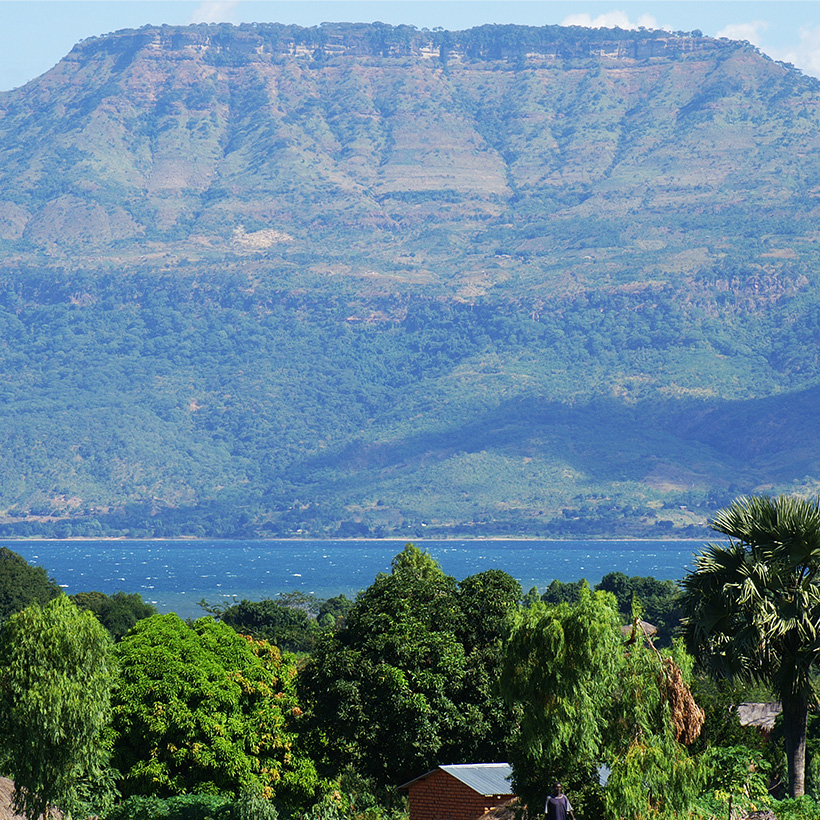
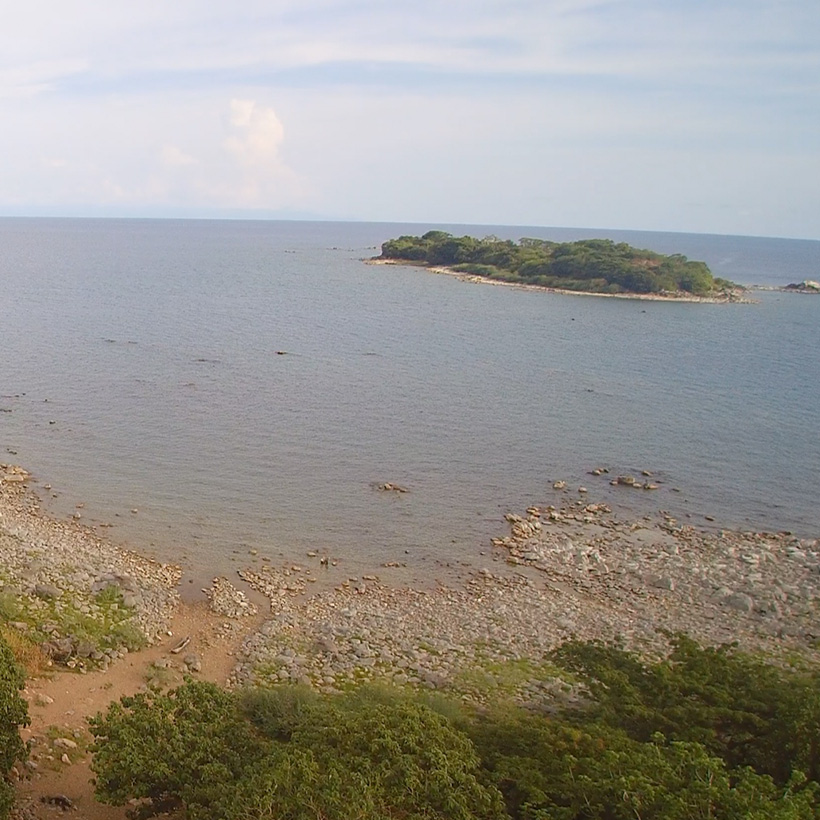
Lake Malawi is one of the very few “ancient lakes” and one of the oldest and deepest large lakes on Earth, and is a global biodiversity hotspot, with an ecosystem of a world-famous biodiversity especially in the cichlid fish fauna. The rocky shores of Chilumba provide spectacular underwater sites, which undoubtedly are at least equal if not of higher quality than those at the UNESCO World Heritage site Lake Malawi National Park in Southern Malawi.

Lake Malawi, Luromo Chilumba

Lake Malawi, Luromo Chilumba

Nyika National Park
Nyika National Park

Nature

Nyika National Park

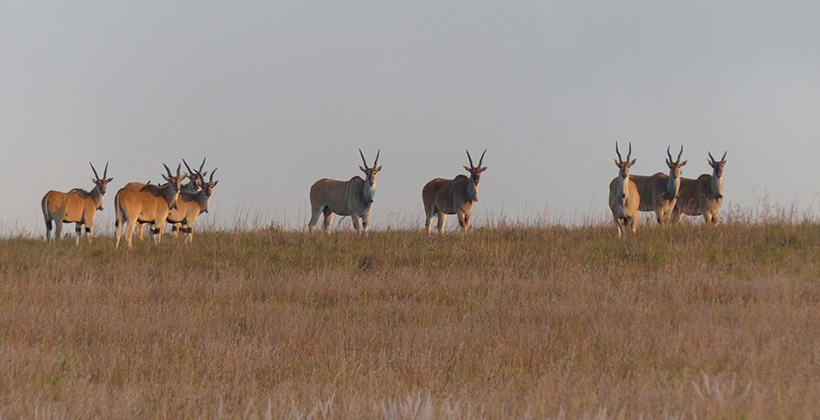
Nyika National Park with its high-altitude grasslands, rolling plateaus, and diverse wildlife, represents a unique ecological heritage. It is home to rare orchids, zebra, roan antelope, and over 400 bird species, making it not only a biodiversity hotspot but also a landscape of aesthetic and spiritual value.

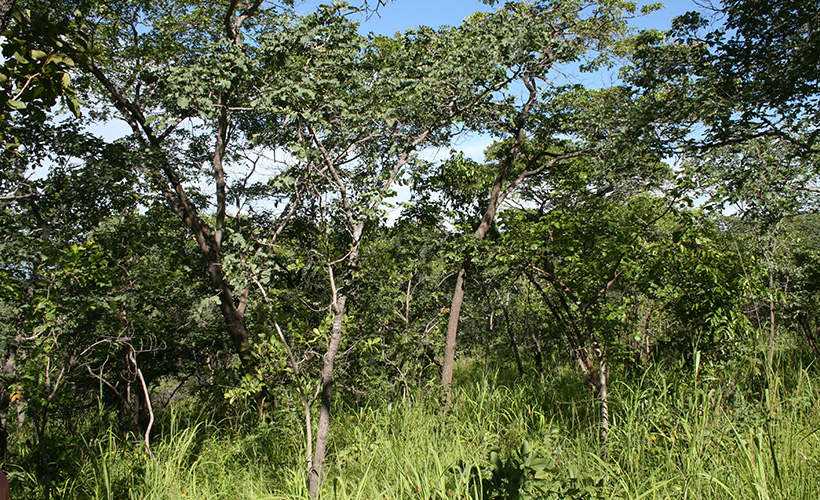
Surrounded by Miombo woodlands, two montaine evergreen forest areas cover the ridges of the Misuku Hills, the Matipi-Wilindi and the Mughese forests.The Misuku Hills are a mountain range in Malawi's Northern Region. These rainforests are some of the most diverse and species-rich in Malawi, with 150 species of trees recorded, and are home to white collard Baboons.

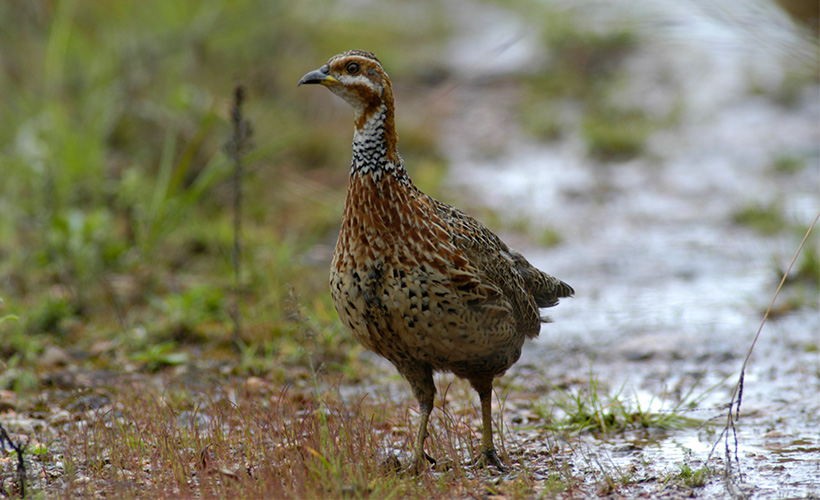
The Mpoto Geopark lies at the junction of southern and Eastern African bird faunas. Several spots within the Geopark have been established for birding activities, for example Malema Camp (12 km South of Karonga), Ulame Forest (in the vicinity of Malema) and the flood plains of North Rukuru River (5 km North of Karonga. Bird observations include the rare banded snake eagle