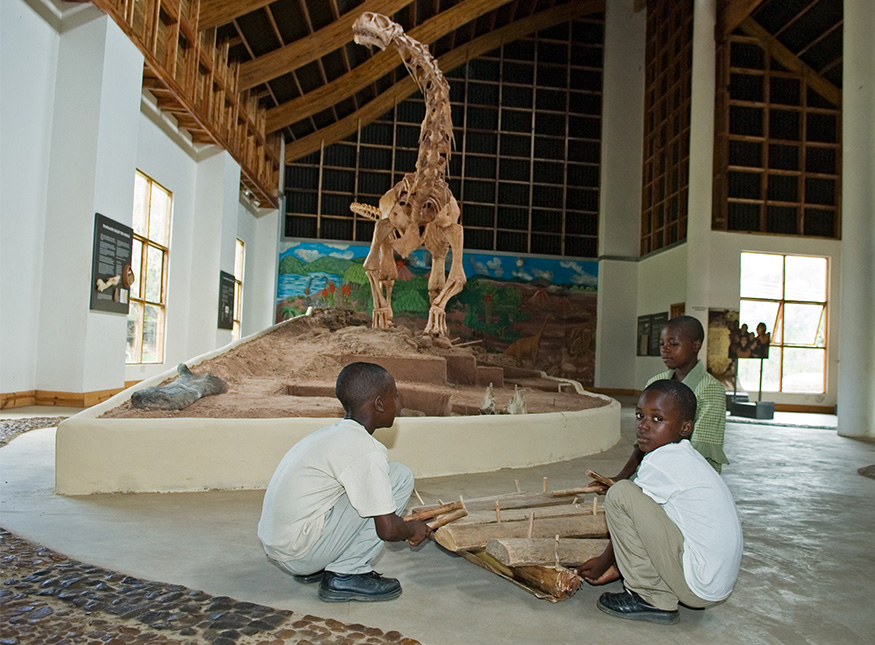
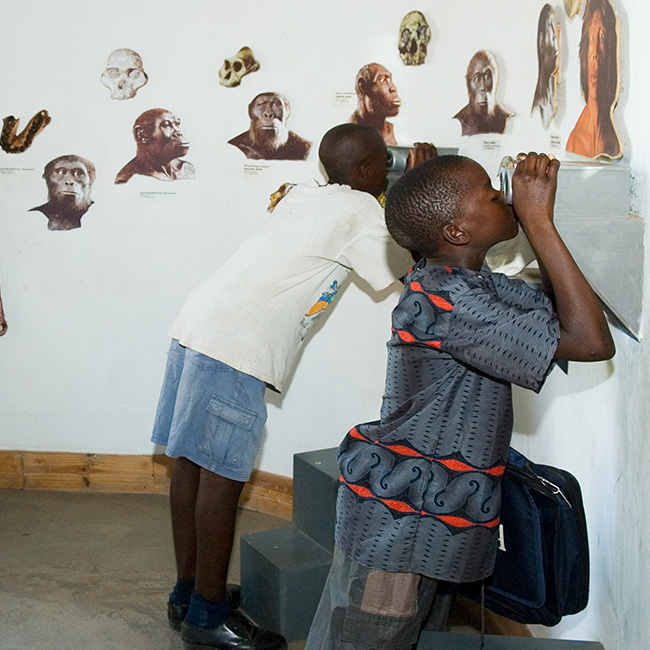
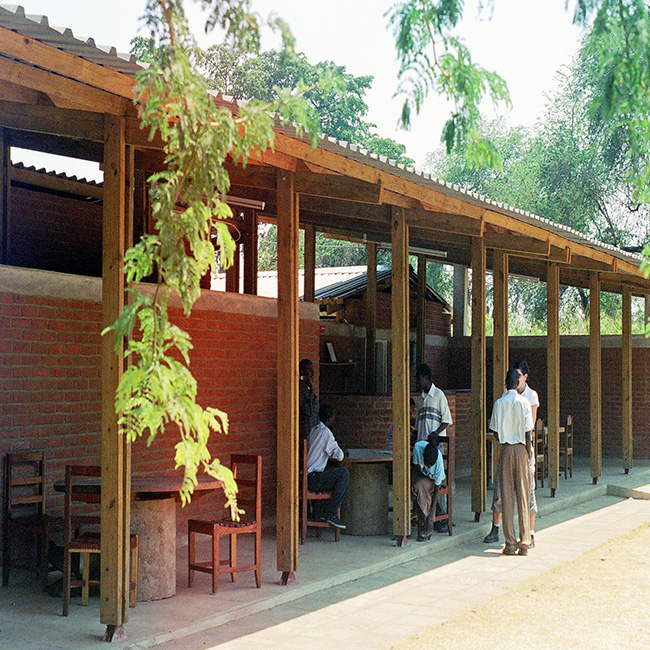
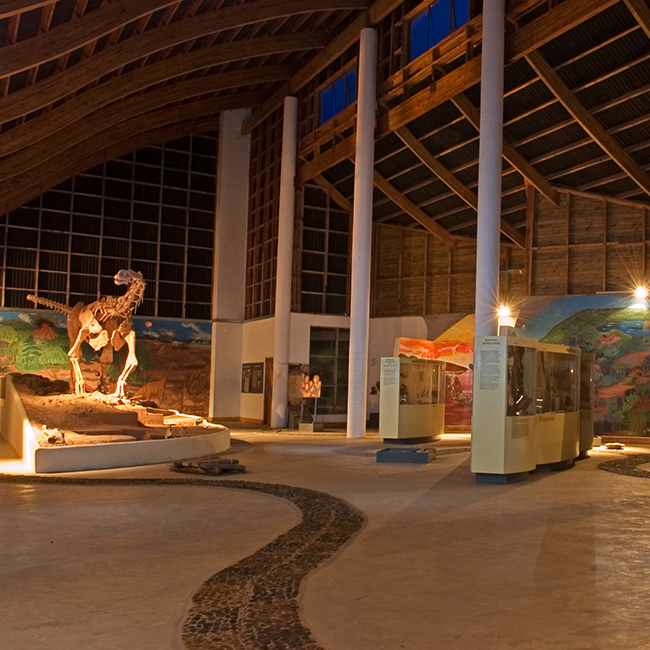
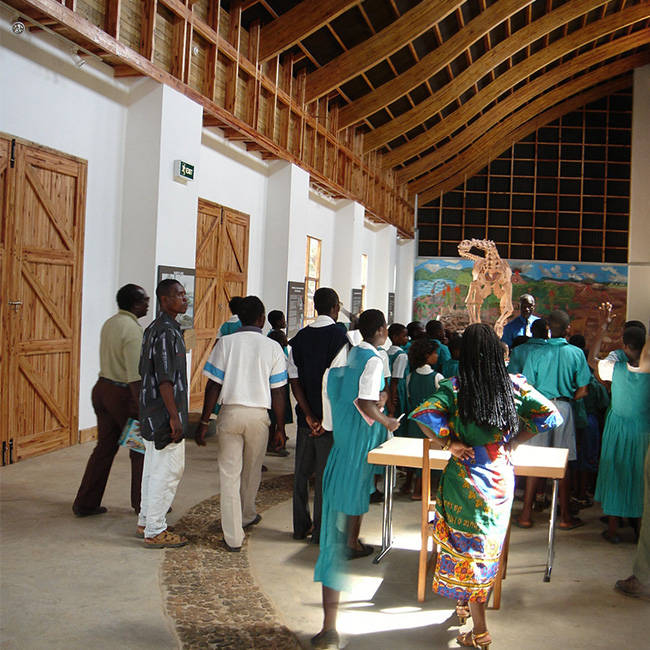
One of the strategic cooperation partners for the Karonga Geopark is the Cultural & Museum Centre Karonga (CMCK). As the custodian of some of Malawi’s most significant paleontological and archaeological discoveries including the Homo rudolfensis jawbone and extensive fossil collections. CMCK serves as a hub for scientific research, cultural education, and heritage preservation. The museum is already actively involved in community outreach, exhibitions, school programs, and hosting international researchers, making it a critical partner in the interpretation and presentation of the Geopark’s geological and cultural assets.
The CMCK provides field infrastructure for palaeobiological and limnological work. The Mpoto Geopark offers important palaeontological sites (Permian-Triassic, Upper Cretaceous, Plio-Pleistocene), as well as research opportunities for freshwater ecology (Lake Malawi), including projects on environmental DNA. In addition to its ichthyofauna, Lake Malawi is considered an evolutionary-biological model system. Active Research is being conducted by Geologists, Palaeontologists and Biologists of University of Malawi, Zomba and Lilongwe University of Natural Resources in cooperation with Senckenberg Research Institute Frankfurt, Giessen University and New York University.In cooperation with CMCK and financed by Volkswagen Foundation, the Mpoto Geopark is organising yearly field schools on topics of Geology, Biology and Pre-history for doctoral students from 10 African countries: Malawi, Tanzania, Mozambique, Zambia, Kenya, Ruanda, Uganda, Ethiopia, DRC and Sierra Leone.
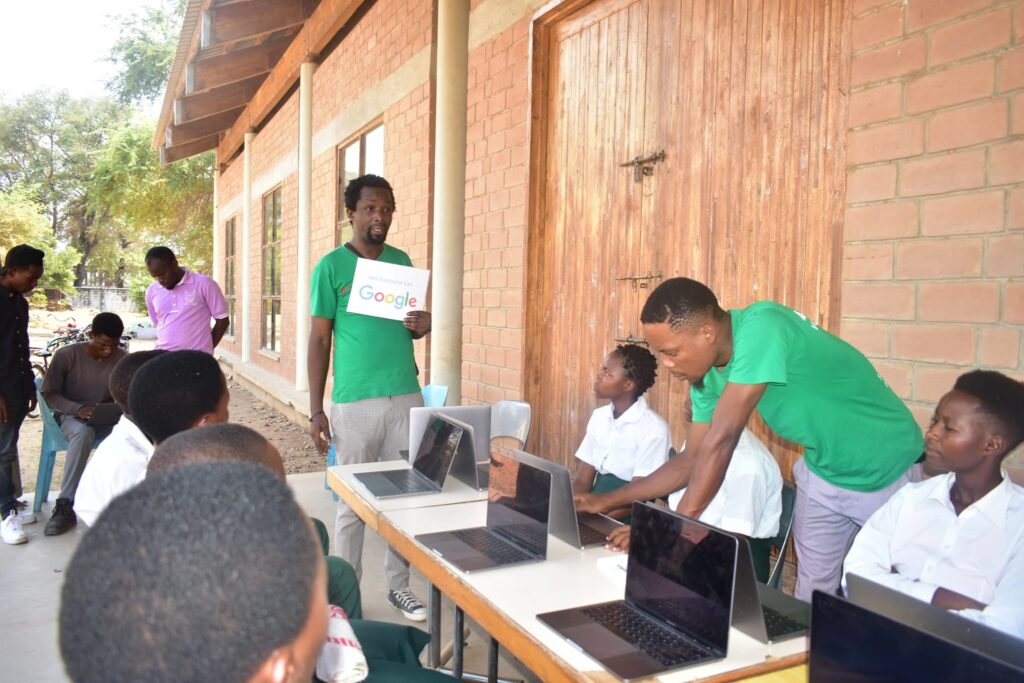
The Karonga-based organisation ‘Fast Networks Africa’ provides all participating institutions with fast and reliable internet connections, enabling the regional, national and global dissemination of cultural programmes from Karonga. The company will assist in setting up digital mapping tools, online booking systems, and virtual tours making the Geopark more accessible to schools, researchers, and tourists. Furthermore, Fast Network will play a role in ICT training for local youth, empowering them with skills to support Geopark data management, social media communication, and digital storytelling. By bridging the digital divide, Fast Network will help ensure that the Geopark is both globally visible and locally connected. The Executive Director is a trustee for the Geopark.
The association serves to promote science and research in and about Africa and its objective and factual communication and dissemination. Through its activities, it aims in particular to contribute to the understanding of Africa's natural and cultural heritage and local knowledge. The purpose of the association is realised in particular by promoting institutions and initiatives in Africa that serve scientific and cultural education, the preservation of local knowledge and scientific research. Furthermore, the association supports field research in Africa, as well as exhibitions and publications on topics of natural and cultural heritage and local knowledge in Africa. The chairperson is a trustee for the Geopark.
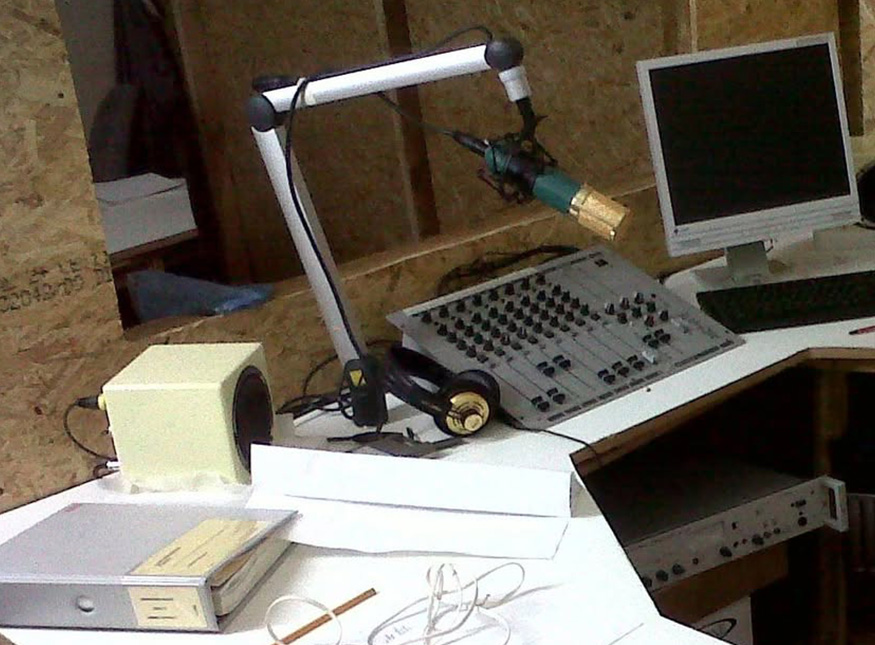
Radio Dinosaur, Karonga’s leading community radio station, will play a pivotal role in the communication and visibility strategy of the Karonga Geopark. With its wide reach across the district and its strong connection to grassroots audiences, the station offers a vital platform for broadcasting educational programs, community dialogues, cultural content, and environmental awareness campaigns in local languages. Radio Dinosaur has experience in facilitating interactive shows, panel discussions, and mobile radio broadcasts that engage both urban and rural listeners. As a partner, the station will help amplify the voices of local communities, promote participation in Geopark activities, and create regular slots dedicated to topics such as climate change, cultural heritage, geoscience, and youth innovation. The station Manager is a patron for Mpoto Geopark.


The word Mpoto means NORTH in Tumbuka Language. Mpoto refers to the fact, that the Geopark comprises Northern Malawi and the Northern Malawi Rift.